★★★★★
I was looking for an appraisal and time was of the essence. They got the job done in only a few days with excellent customer service. Great business to work with.

FARM & AGRICULTURAL EQUIPMENT
USPAP-compliant farm and agricultural equipment appraisals for tax, legal, and financial reporting; completed remotely or onsite, with turnaround confirmed before work begins.
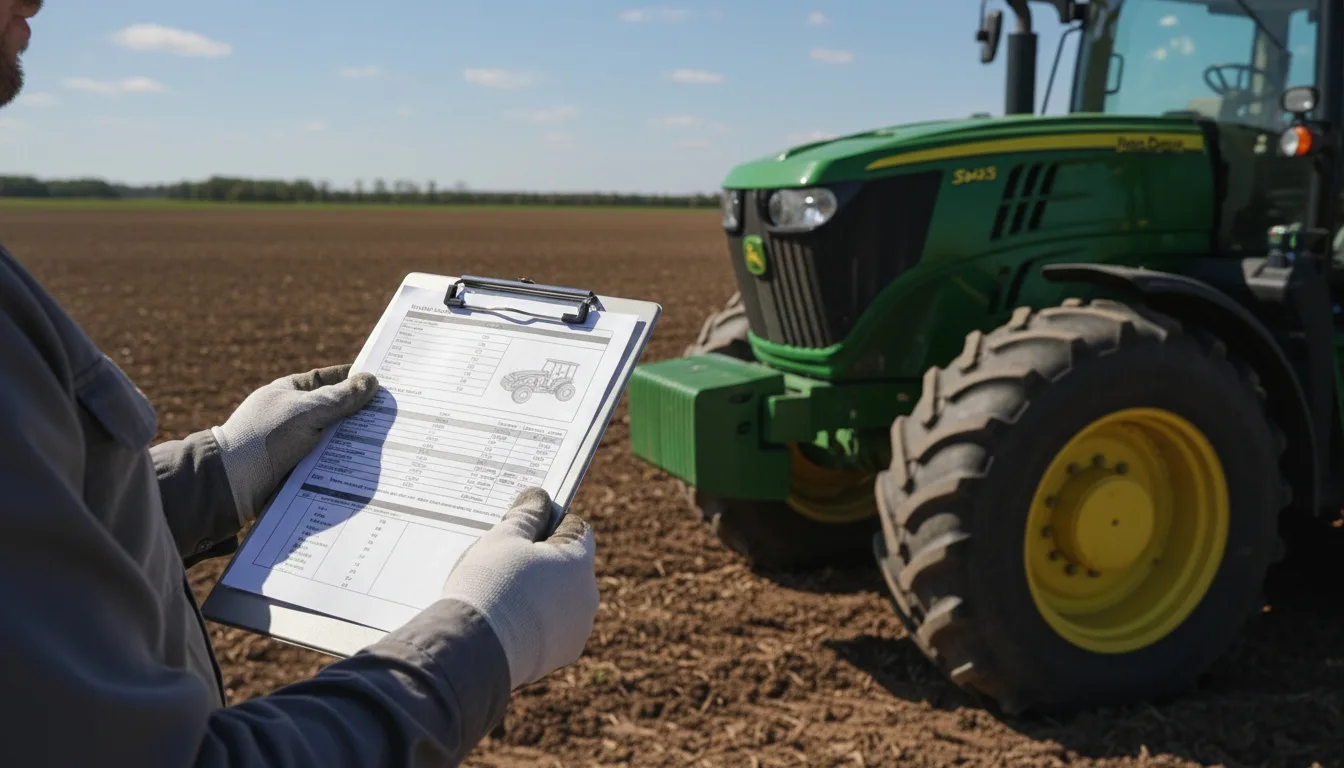
Harvest Equipment Appraisers provides professional farm and agricultural equipment appraisal services for farmers, agribusinesses, lenders, attorneys, accountants, and financial institutions nationwide. Our certified equipment appraisers deliver defensible, well-supported valuations for tractors, combines, harvesters, planters, sprayers, irrigation systems, grain handling equipment, and other agricultural machinery.
We support estate planning, farm transitions, probate and estate settlement, charitable donations, equipment financing, insurance claims, partnership buyouts, litigation, and tax reporting with USPAP-compliant appraisal reports. Assignments can be completed onsite or remotely, depending on asset type, location, and timeline.
Whether you need a tractor appraisal for financing, a combine valuation for insurance, or a comprehensive farm equipment appraisal for estate or transaction purposes, Harvest Equipment Appraisers combines deep market data, agricultural industry expertise, and efficient turnaround times to deliver reliable equipment valuations you can trust. We appraise equipment nationwide and publish state guides for local coverage, including for Florida farm equipment appraisals.
CPAs, Audit Teams, Internal Revenue Service, and Attorneys
For Divorce, Legal Claims, Estate Settlements, and Probate
Insurance and business lenders for policy renewal or asset-backed loans





and many more!
APPRAISAL SERVICES
Every valuation is USPAP-compliant and prepared by a certified agricultural equipment appraiser, whether you need it for a lender, the IRS, a court, or an insurer.
Collateral valuations lenders accept for equipment loans, refinancing, and asset-based lending.
Fair market and orderly liquidation values on the machinery listed in Chapter 7, 11, and 12 filings.
Defensible date-of-death and estate-settlement valuations for executors, heirs, and attorneys.
Specialty valuations on grape harvesters, canopy sprayers, narrow orchard tractors, and press equipment.
Remote, photo-and-records-based valuations delivered without an onsite visit when timing or location requires it.
CLIENT VOICES
I was looking for an appraisal and time was of the essence. They got the job done in only a few days with excellent customer service. Great business to work with.
We were amazed at their professionalism in working with us and the quality of the final appraisal report. And all for thousands less than other appraisers.
We were very satisfied with the results: fast and efficient communication, understanding our company's needs, on-time delivery of the report, as well as reasonable price point. Highly recommend.
USPAP Compliant
Harvest Equipment Appraisals has USPAP-compliant agricultural equipment appraisal specialists certified through the ASA, The Appraisal Foundation, and CAGA.

What We Appraise
Harvest Equipment Appraisals provides valuations for a wide range of agricultural machinery and farm assets nationwide, including specialized [vineyard equipment appraisal](/vineyard-equipment-appraisal) services for viticulture operations:
METHODOLOGY
Provide make, model, year, hours, and condition online. No site visit is required for most assignments. Remote documentation is sufficient for the majority of agricultural equipment appraisals.
We review the assignment scope and provide a fixed fee before work begins (no hourly billing, no surprises). Turnaround time is confirmed upfront.
Remote documentation review or onsite physical inspection, based on asset type, use case, and lender or court requirements. Secondary market data and comparable sales are analyzed.
A written appraisal report conforming to USPAP standards is delivered digitally, prepared to meet the requirements of lenders, the IRS, insurers, and courts nationwide. Turnaround varies by project, and we confirm timing up front.
Guides
Practical guides on appraising tractors, harvesters, vineyard equipment, and other farm machinery.
Replacement cost and fair market value are not interchangeable terms on a farm equipment policy, and mixing them up can leave a claim check far short of what it takes to replace a tractor or combine. This guide explains how each standard schedules equipment, how the coinsurance penalty punishes an underinsured schedule, and when an independent appraisal should set or defend your values.
Read more →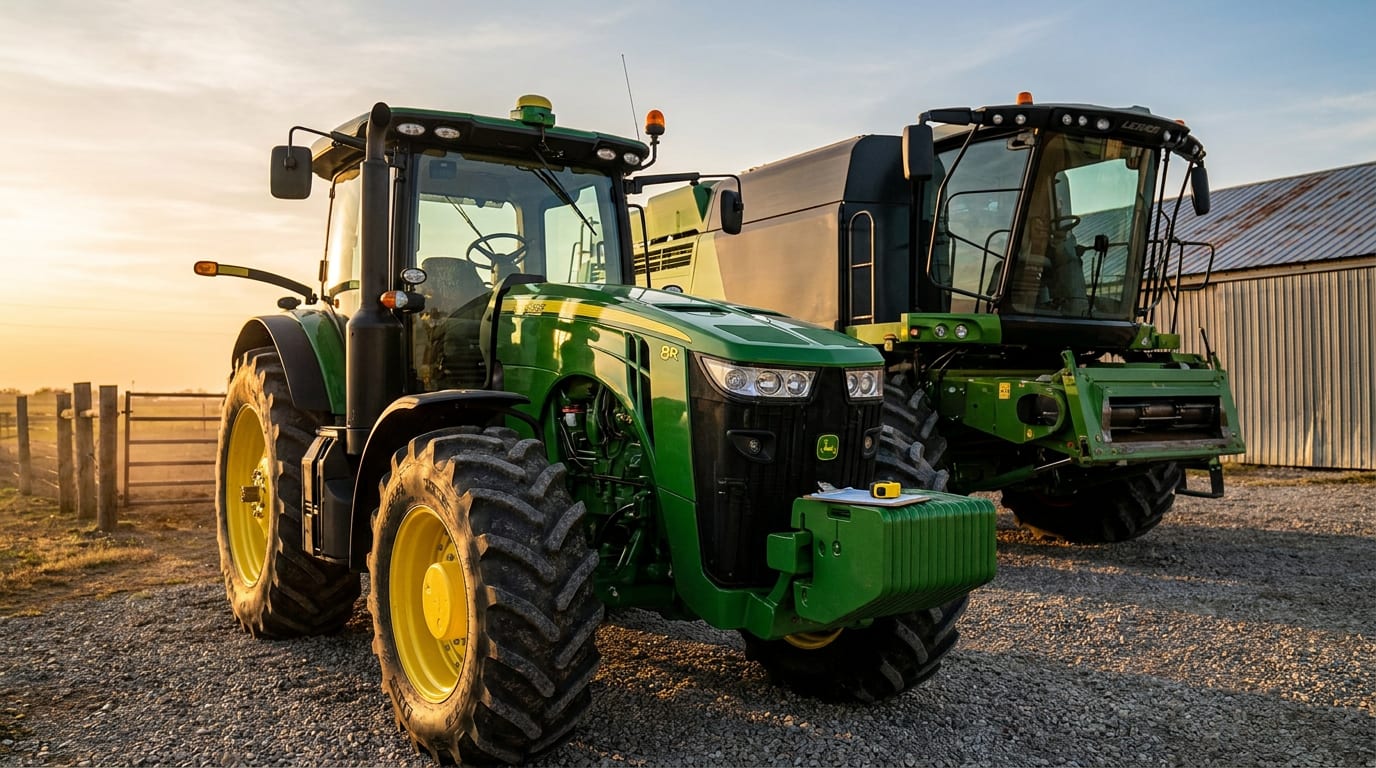
An auction record shows what one tractor sold for on one day; it doesn't establish fair market value for an IRS filing or a courtroom. This guide explains when an auction or dealer comparable is good enough and when farm equipment needs a formal qualified appraisal instead.
Read more →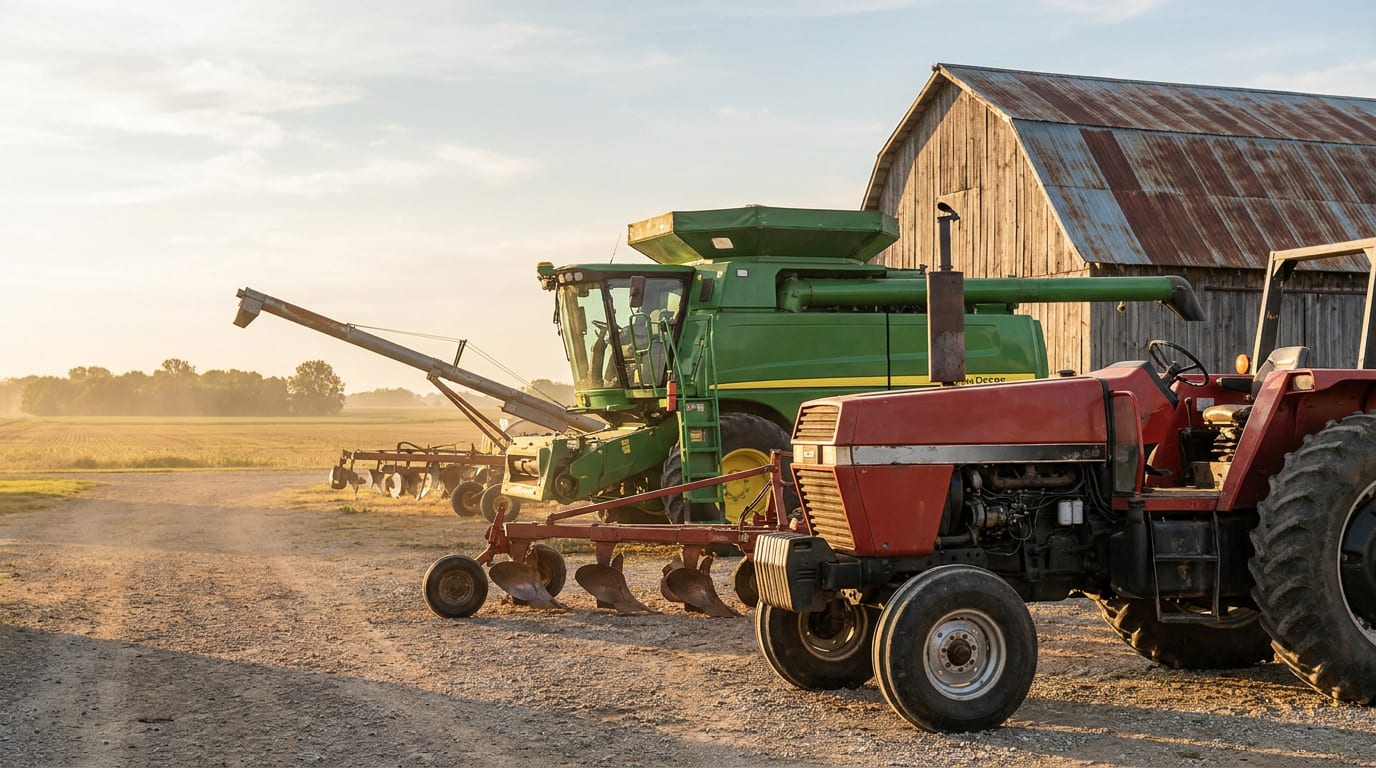
When a farmer inherits equipment, the date-of-death appraised value, not the original purchase price, becomes the heir's tax basis under stepped up basis farm equipment rules. This guide walks through how that number resets depreciation and shapes the capital gains bill on a future sale.
Read more →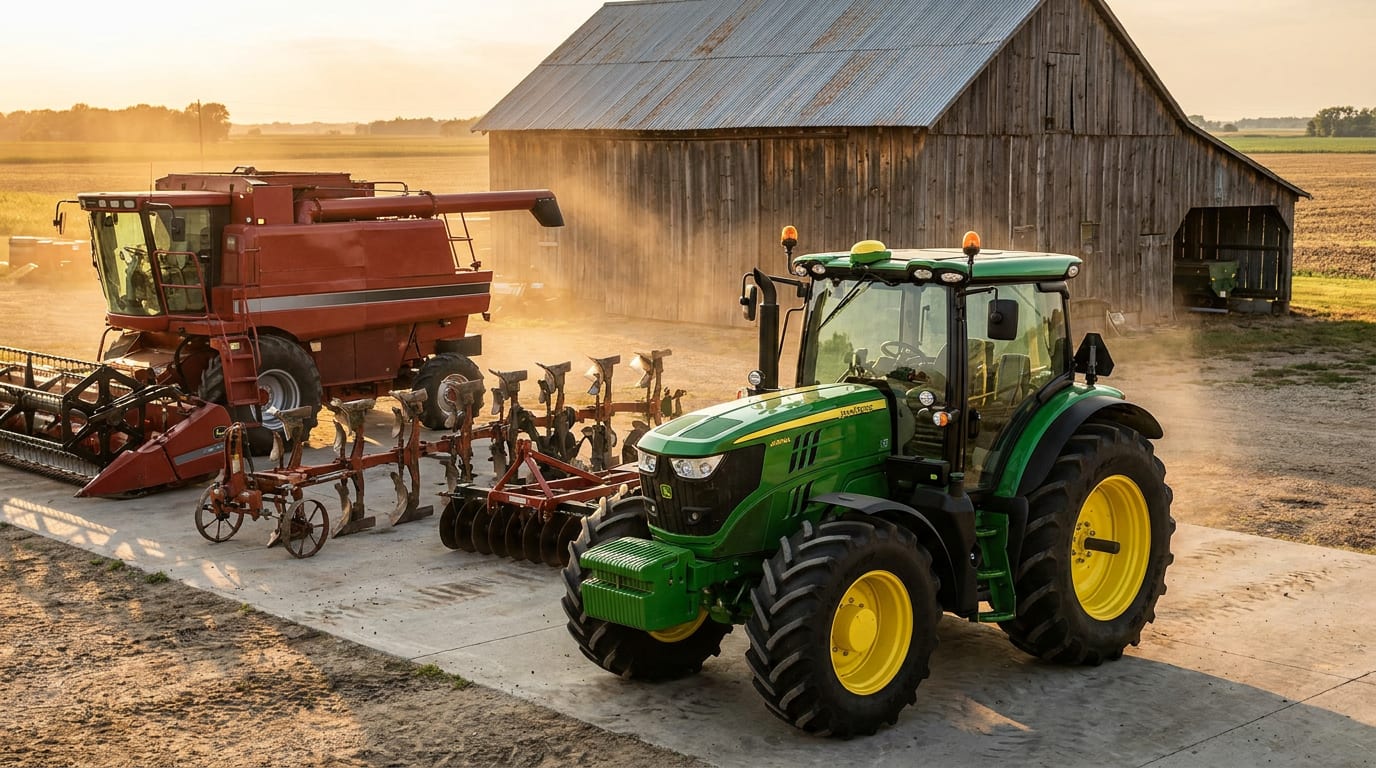
IRS Form 8283 requires three signatures, a qualified appraisal, and precise line-by-line documentation once a farm equipment donation's claimed deduction exceeds $5,000. This guide walks through Section B part by part, from describing the tractor or combine to the appraiser's declaration and the donee's acknowledgment of receipt.
Read more →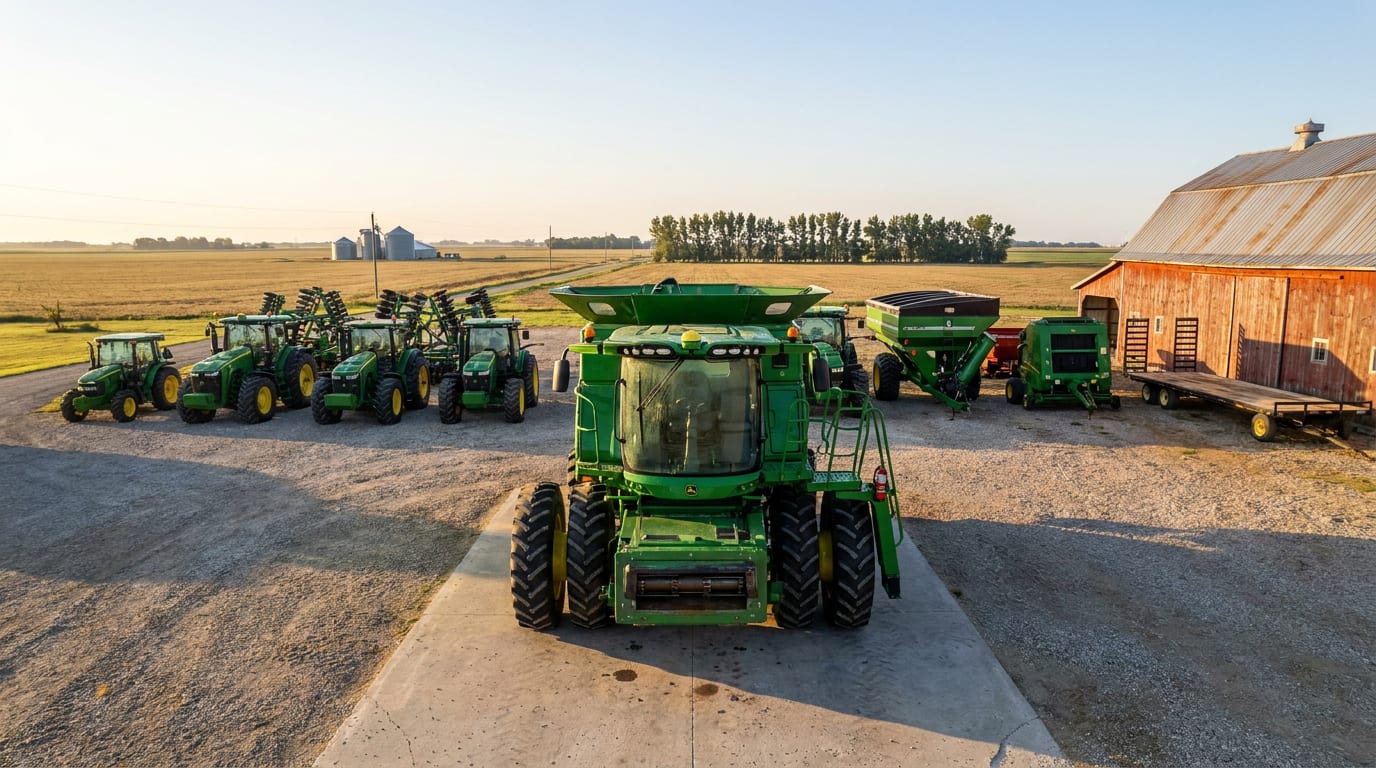
A farm equipment fleet appraisal values every tractor, implement, and trailer on an operation individually before rolling those figures into one defensible total. This guide walks through the item-by-item process and shows how the numbers work for estate settlement, insurance, and sale or loan use.
Read more →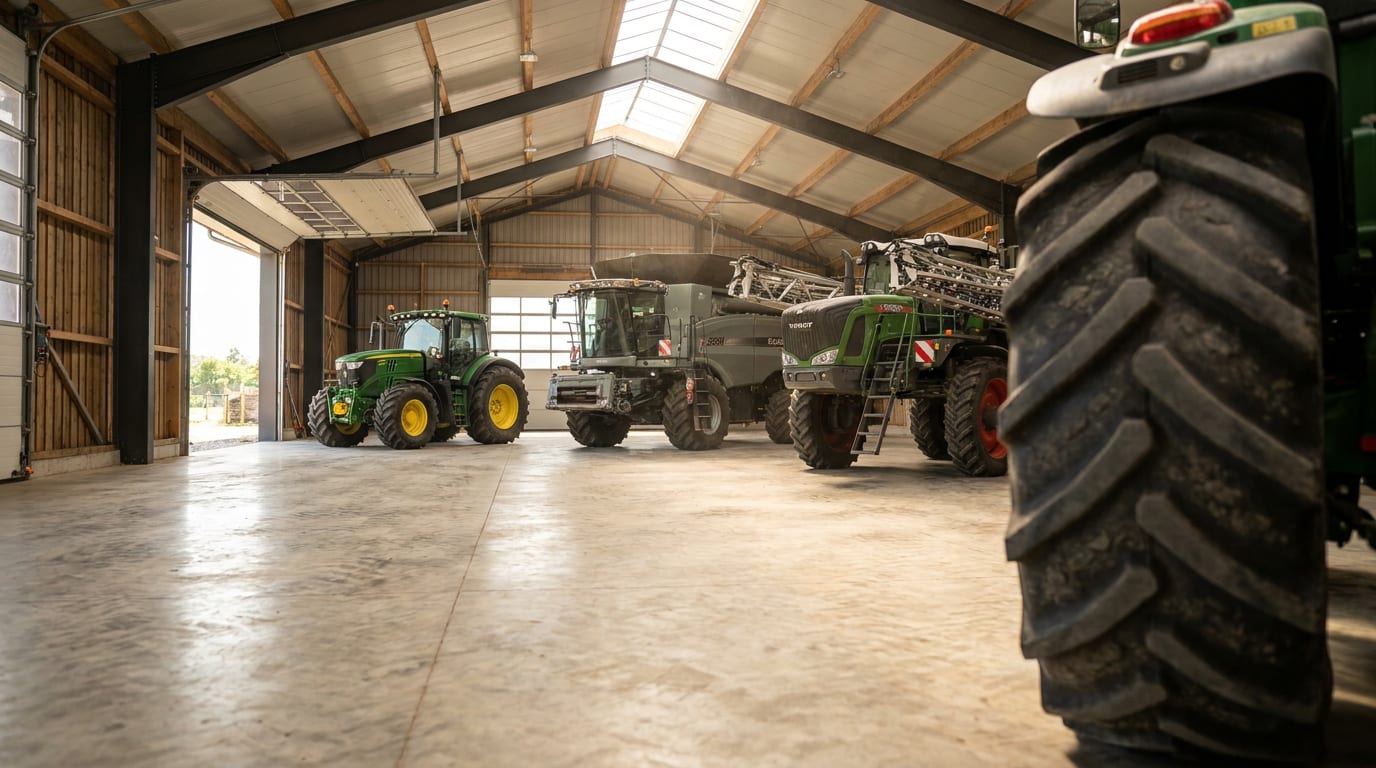
A farm equipment appraisal for divorce establishes what tractors, combines, and sprayers are actually worth on the open market so courts can divide them as marital assets. This guide covers how fair market value is determined, why independence and USPAP compliance matter, and what to expect during the process.
Read more →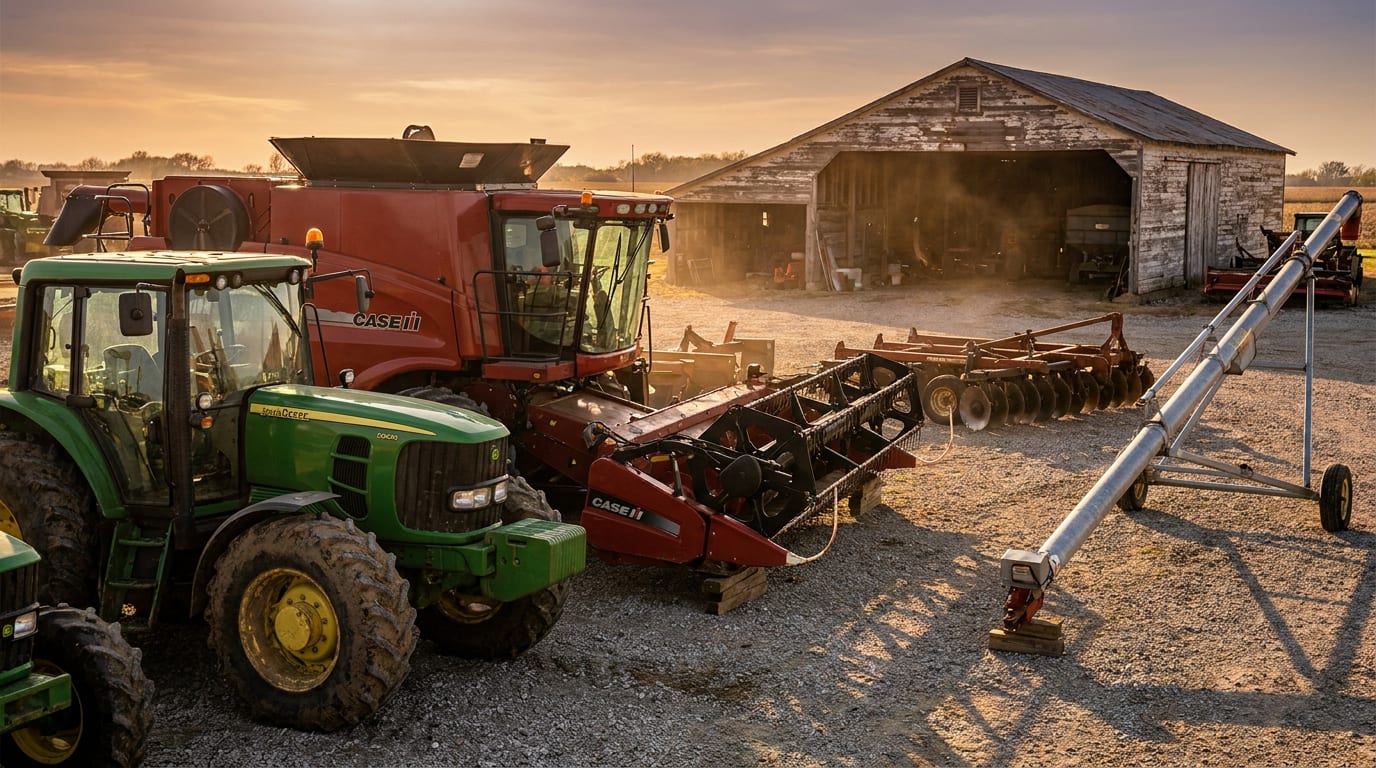
Orderly liquidation value for farm equipment sits between fair market value and forced sale value, and which premise your tractor or combine gets appraised under depends entirely on why the appraisal is needed. This guide breaks down all four value premises so you know which number actually applies to your situation.
Read more →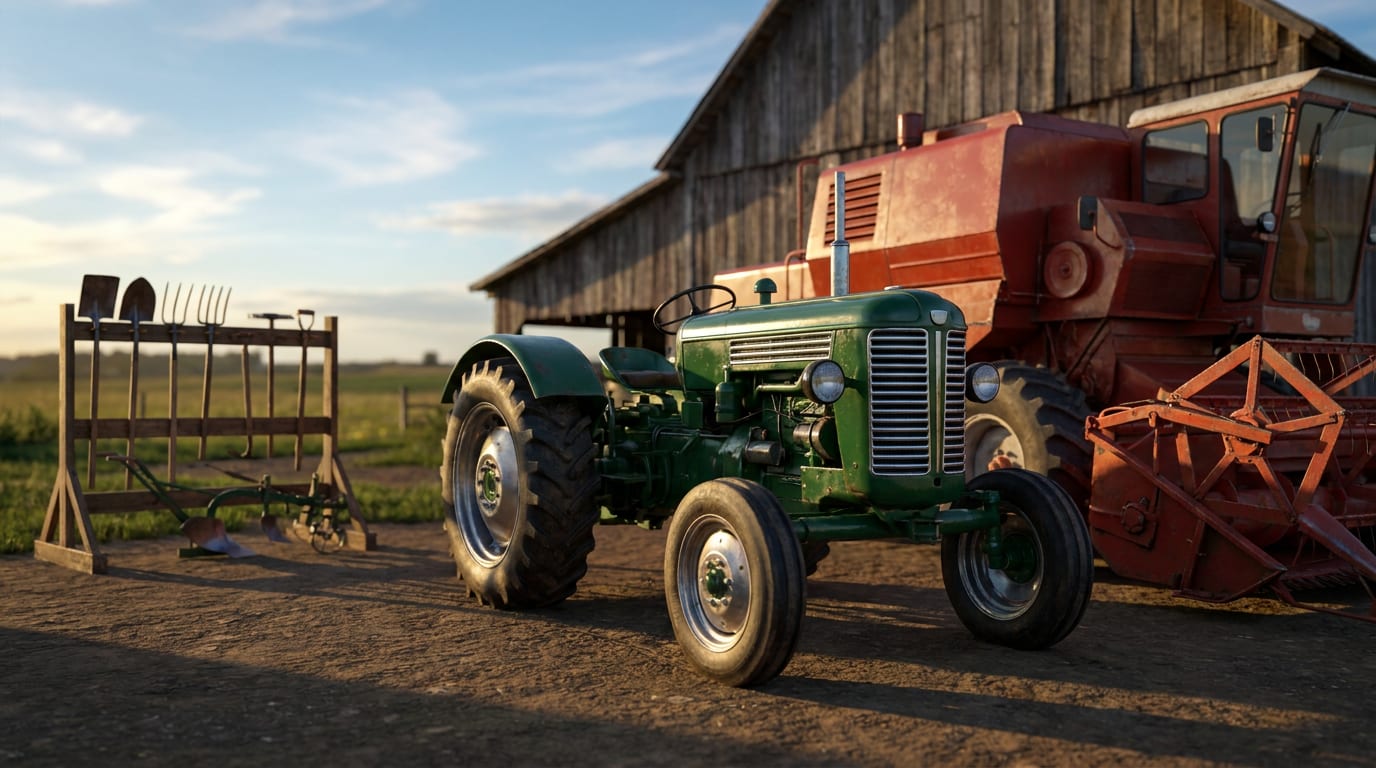
Donating a tractor, combine, or implement to a school or 501(c)(3) triggers a qualified appraisal once the claimed deduction passes $5,000. This guide walks through the IRS thresholds, Form 8283 requirements, and why your deduction may be capped at adjusted basis instead of fair market value.
Read more →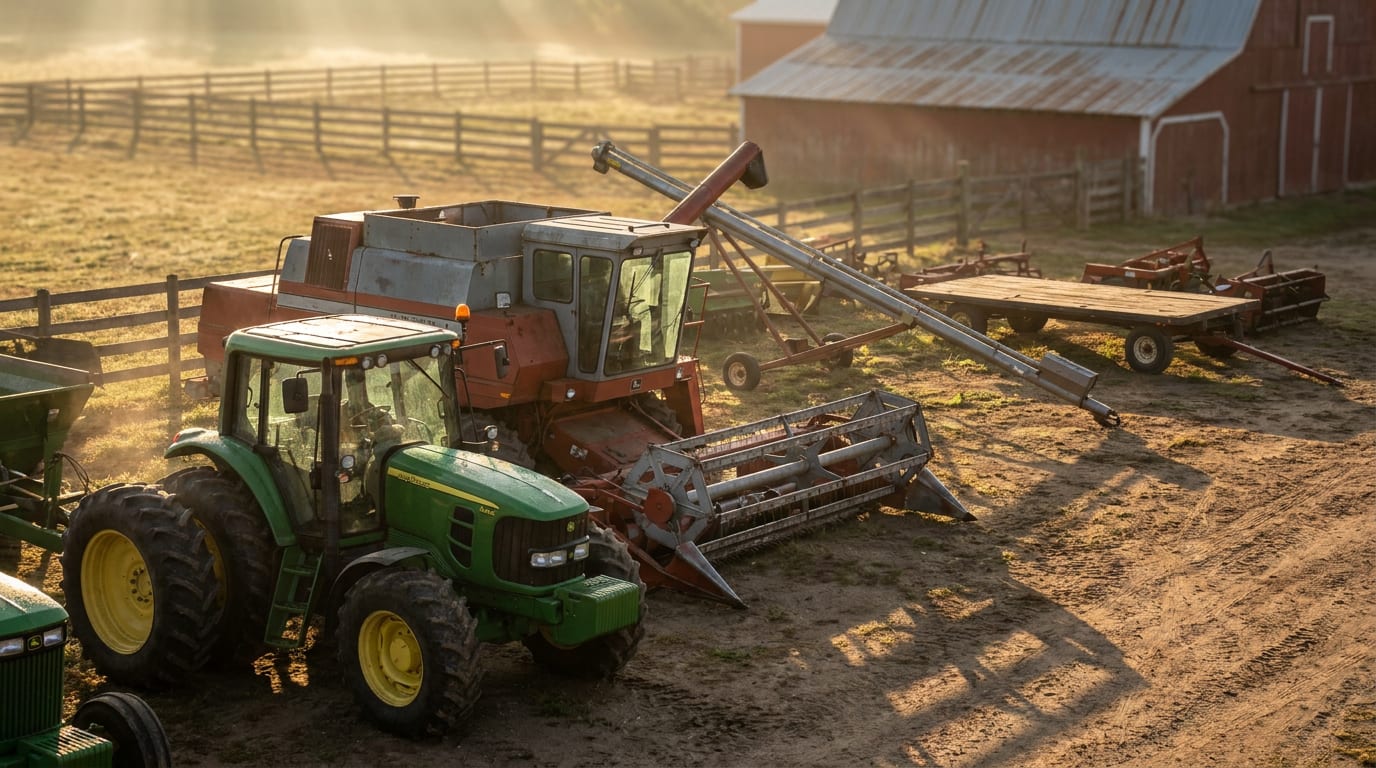
A farm equipment appraisal for probate establishes the date-of-death fair market value that courts, executors, and heirs all rely on. This guide walks through why the appraisal is required, what the report must contain, and where it fits in the probate timeline.
Read more →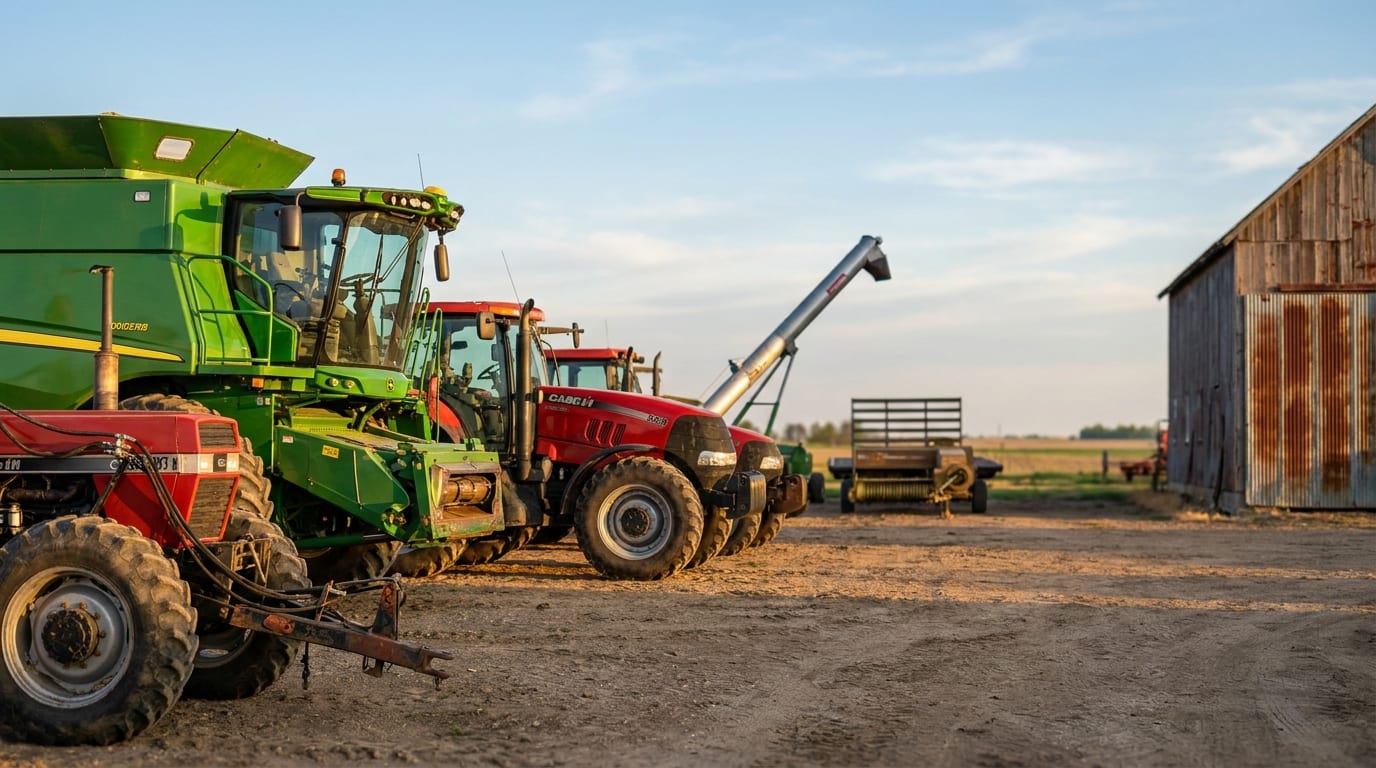
A farm equipment appraisal for bankruptcy has to answer a legal question, not just a market question, since Chapter 7 liquidation, Chapter 12 reorganization, and cramdown all call for different value standards on the same tractor. This guide breaks down which standard applies, what trustees expect on Schedule A/B, and how to get a report that holds up in court.
Read more →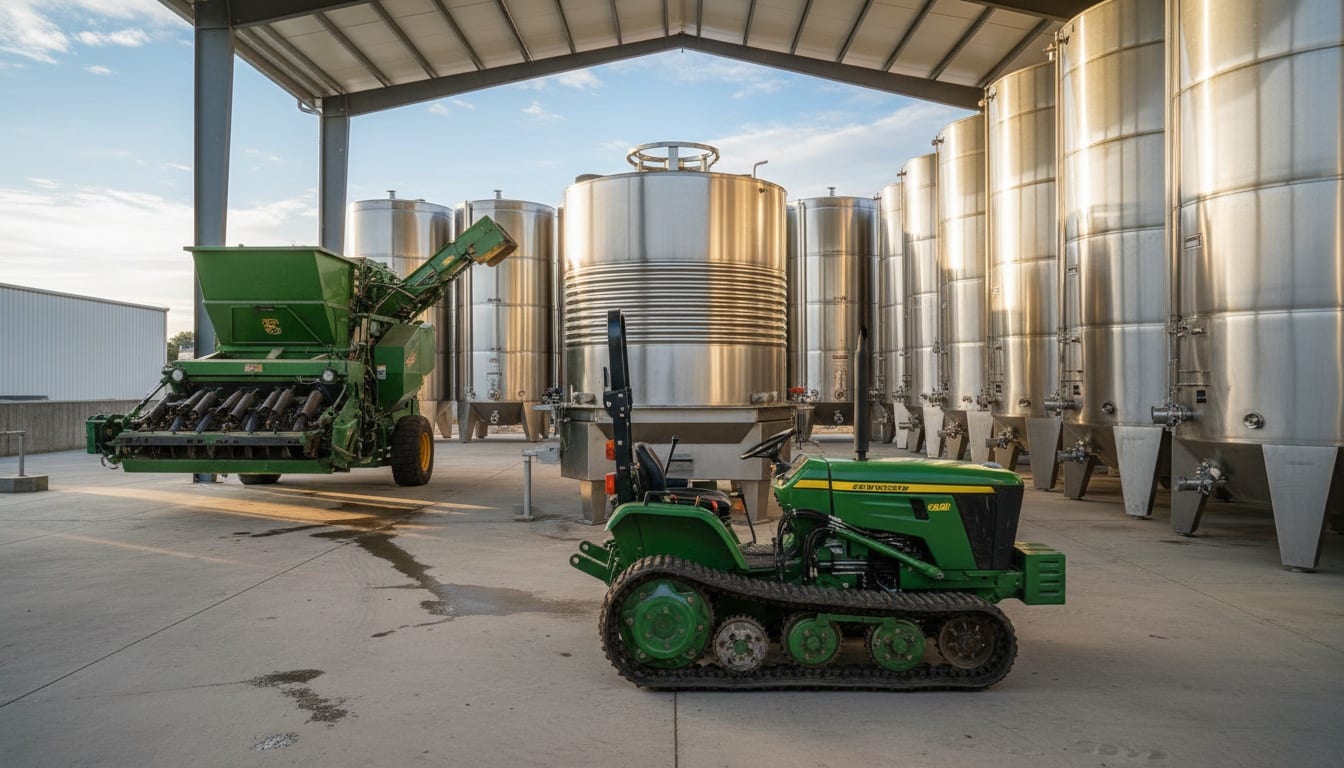
Vineyard equipment appraisal covers everything from narrow-row tractors and mechanical harvesters to bladder presses and fermentation tanks. This FAQ answers the questions we hear most often, from what the process costs to when USPAP compliance is required.
Read more →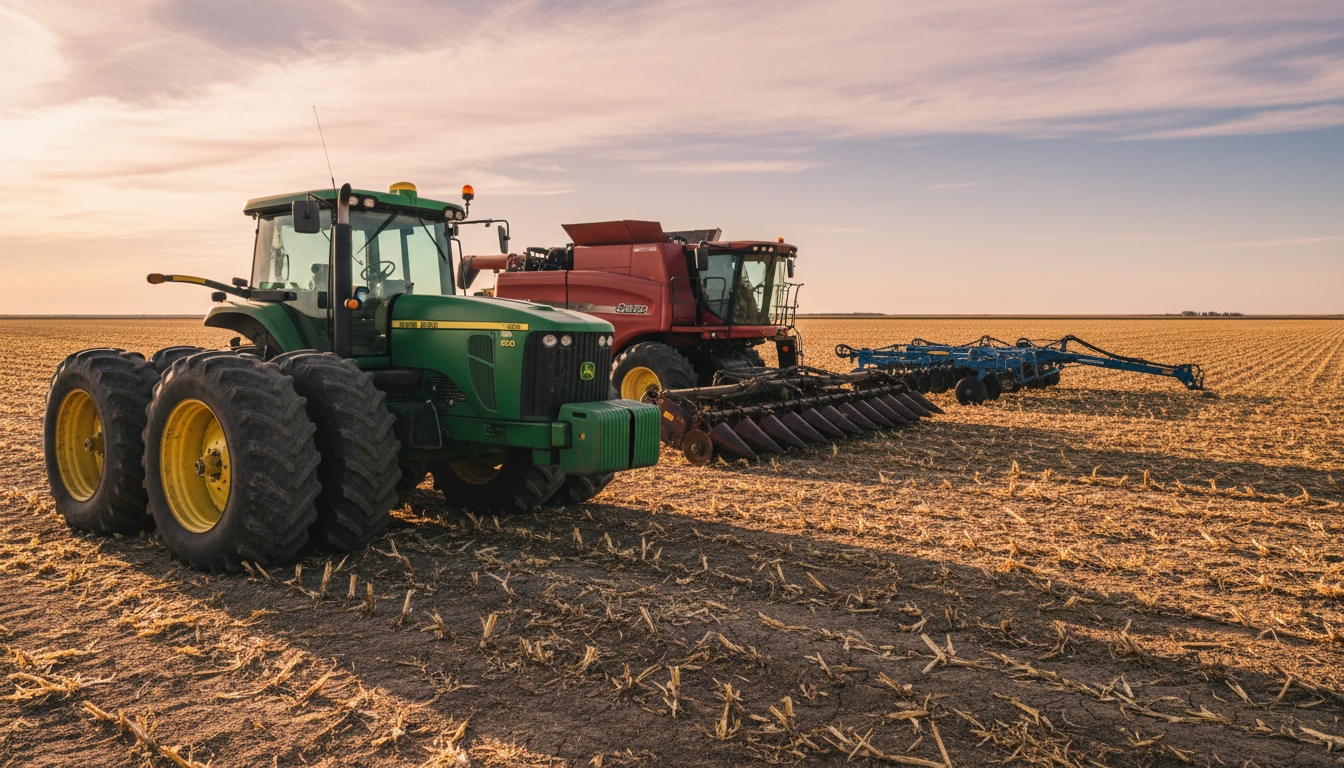
From subcompact tractors to center-pivot irrigation systems, this guide covers every major category of farm equipment, what each machine does, and why accurate identification matters when it comes time to appraise what you own.
Read more →FAQ
Fair market value is determined by analyzing the asset's age, condition, hours of use, maintenance history, and remaining useful life. Appraisers review recent sales of comparable agricultural equipment in the secondary market and adjust for regional demand, seasonal trends, technology updates, and functional utility. The goal is to estimate the price at which equipment would change hands between a willing buyer and seller, both with reasonable knowledge of relevant market conditions.
The three primary valuation approaches used in farm equipment appraisals are the cost approach, market approach, and income approach. The cost approach estimates value based on current replacement cost, less depreciation for age, wear, and obsolescence. The market approach relies on recent sales of comparable tractors, combines, and other agricultural machinery in the open market. The income approach considers the income the equipment can generate, though it is less commonly applied to individual farm equipment and more often used in broader business or asset portfolio valuations. The appropriate methodology depends on the equipment type and the intended use of the appraisal.
Farm equipment appraisal fees are scope-based and depend on the number of assets, equipment complexity, intended use, and whether an on-site inspection is required. Single-item farm equipment appraisals typically start at $295, with advanced or IRS-qualified reports starting at $395. Small groups of agricultural equipment or mixed machinery sets often range from $995 to $3,000. Larger inventories of 50 or more items, commonly involving multiple asset categories or in-person inspections, generally range from $5,000 to $10,000+. Final pricing is provided as a fixed fee after reviewing the equipment details to ensure the appraisal is properly scoped and USPAP-compliant.
Turnaround depends on the scope of the assignment. Smaller, single-item appraisals are often completed within a week, while larger equipment lists or multi-asset portfolios can take two to three weeks. On-site inspections, asset volume, documentation availability, and the intended use of the appraisal all affect timing. If you're working against a lender, court, or tax deadline, let us know and we'll confirm upfront whether we can meet it, with expedited service available.
Yes. Farm and agricultural equipment appraisals are prepared in accordance with the Uniform Standards of Professional Appraisal Practice (USPAP) when required. USPAP compliance ensures the appraisal follows recognized professional standards and is suitable for use by lenders, insurers, attorneys, accountants, courts, and other third parties.
No. Farm equipment appraisals can be conducted effectively whether our appraiser is located near your farm or not. Our team works nationwide and can complete onsite inspections when required, or perform remote appraisals using detailed documentation, photos, and market data analysis. Many agricultural equipment appraisals are completed remotely without compromising accuracy or compliance, regardless of your location.