
Blog
Farm Equipment Appraisal Guides & Insights
Expert guidance on valuing tractors, combines, and farm machinery; from what drives value to when you need a USPAP-compliant appraisal for insurance, estates, loans, or taxes.
Farm Equipment Appraisal Articles on Tractors, Combines, and Tax Valuation
Harvest Equipment Appraisals publishes guides on tractor values, equipment depreciation, estate and donation appraisals, and loan collateral valuations.
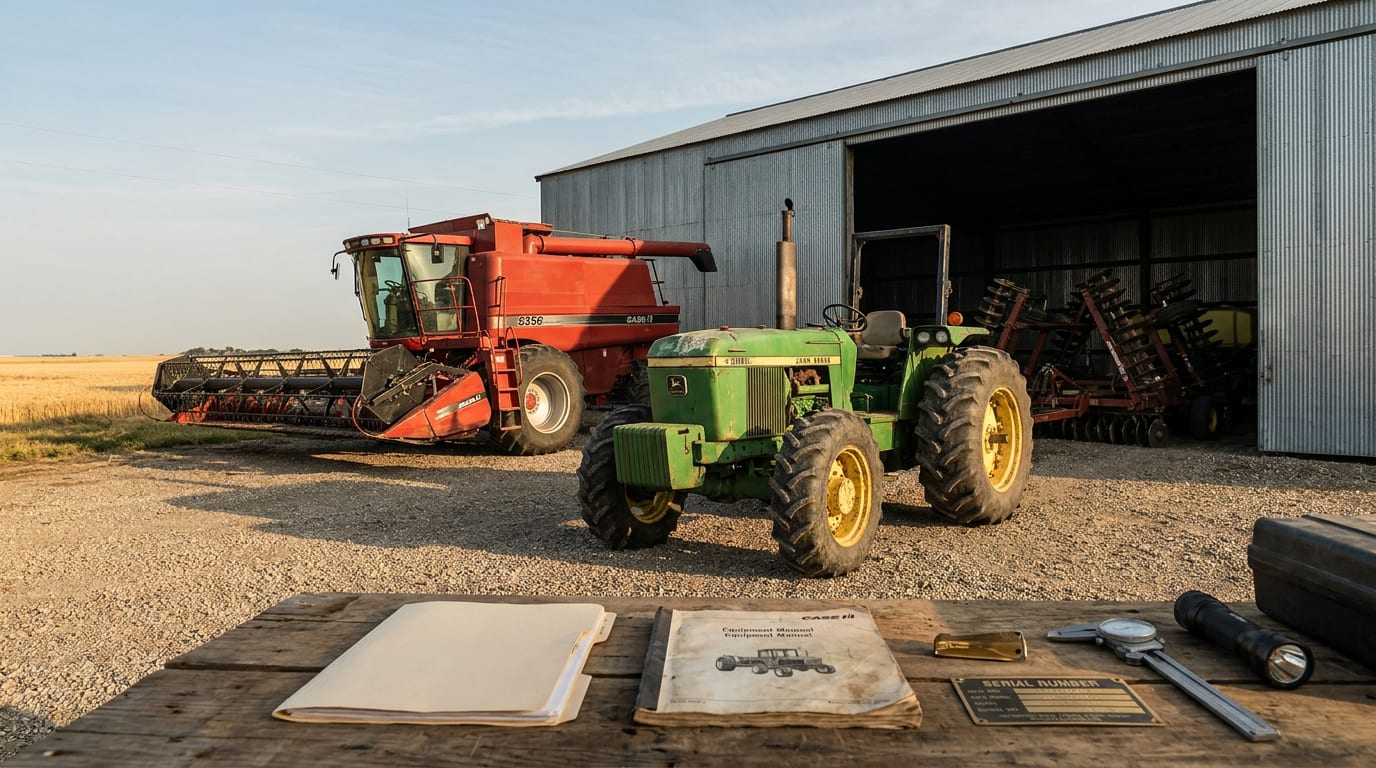
Cheap Farm Equipment Appraisal: When Dealer Quotes and Online Estimates Fail Court, Lender, and IRS Review
A cheap farm equipment appraisal, whether a dealer quote or a low-cost online estimate, is useful market evidence but is usually not a qualified appraisal. This guide compares 4 value sources against the 5 recipients that review them and shows when an informal number falls short.
Read more →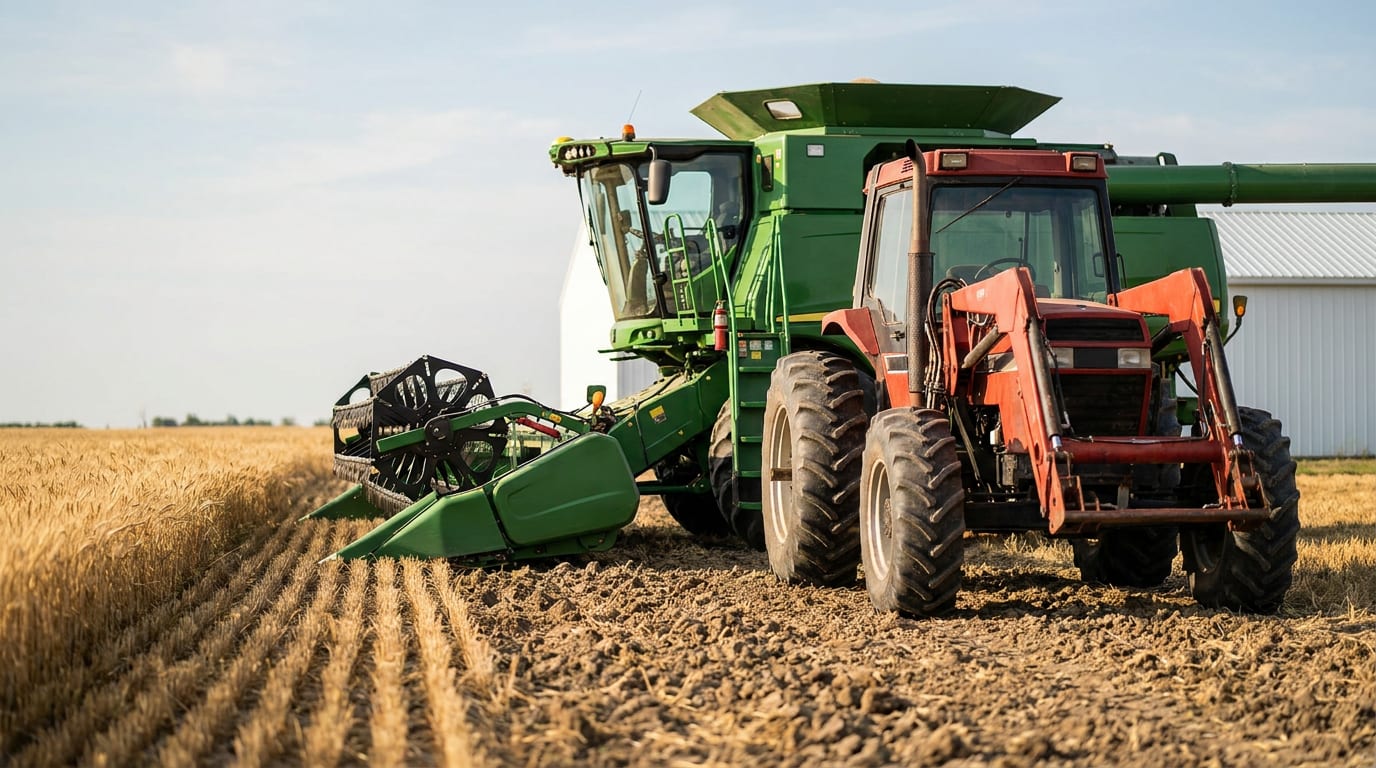
MACRS Depreciation for Farm Equipment: When Appraised Value Sets Your Depreciable Basis
MACRS depreciation farm equipment basis starts with cost, and an appraisal sets it only in specific cases such as inheritance, conversion to farm use, and multi-asset purchases. This guide shows which situations call for fair market value and how the 5-year and 7-year classes, business-use percentage, and conventions shape the deduction.
Read more →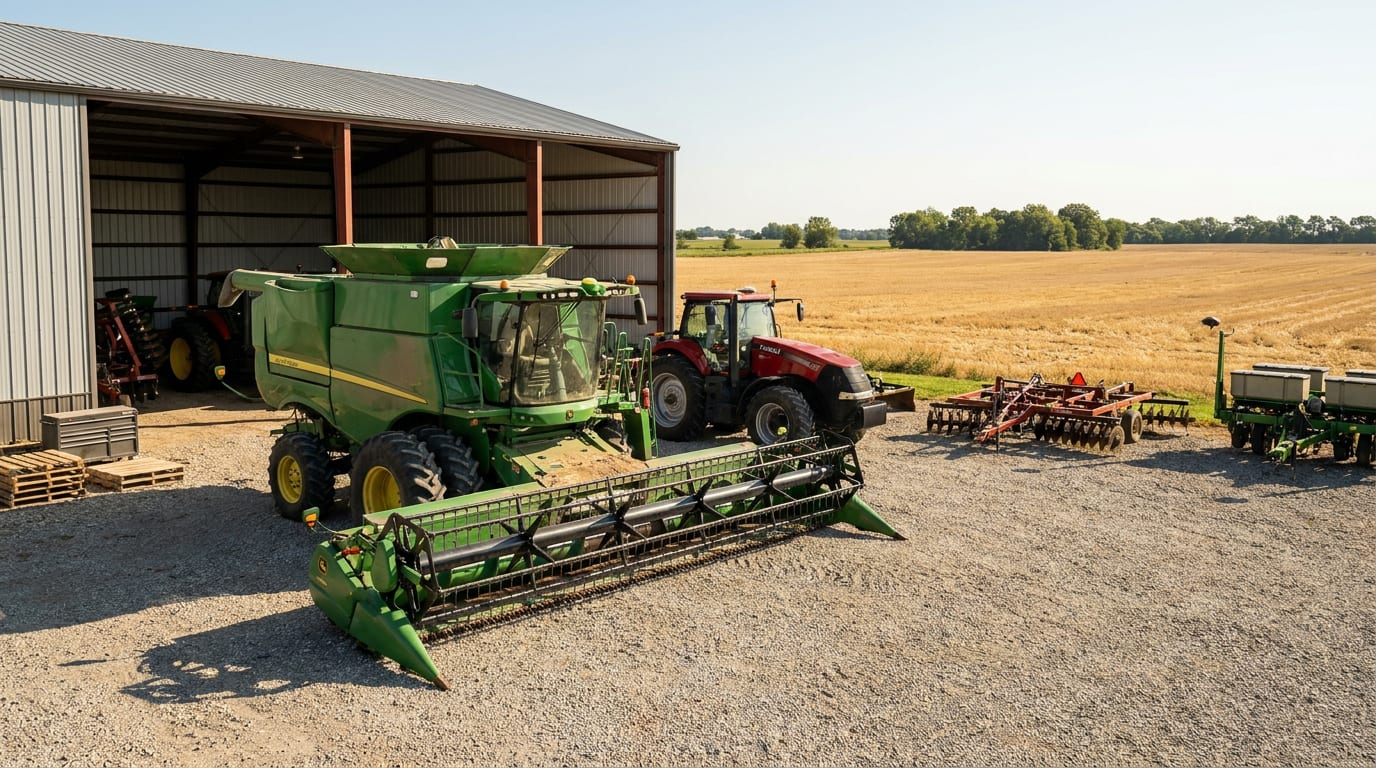
USPAP Compliant Farm Equipment Appraisal: What Courts, Lenders, and the IRS Require
A USPAP compliant farm equipment appraisal states its intended use, value premise, effective date, scope, and comparable sales, and the reports that omit them get challenged. This guide shows what courts, lenders, and IRS reviewers look for and which defects get a report rejected.
Read more →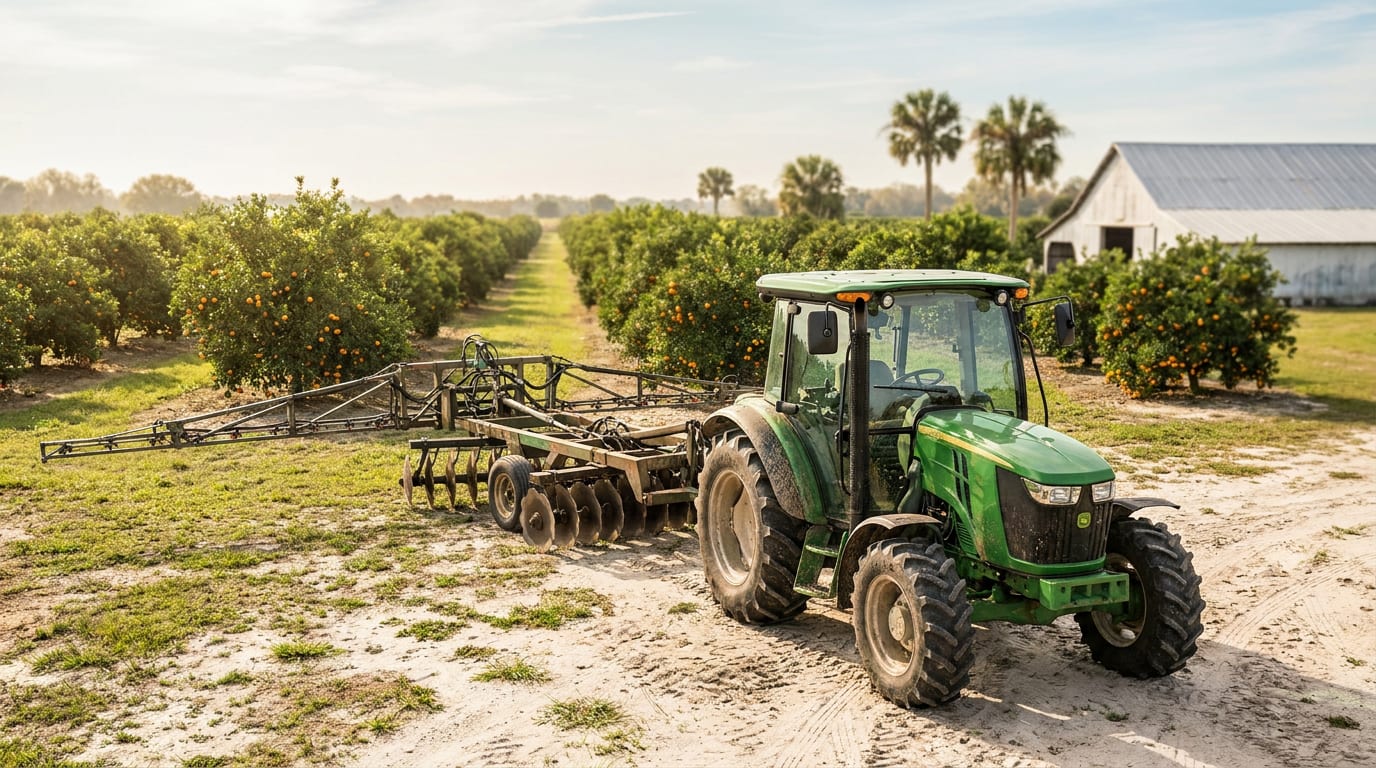
Florida Agricultural Equipment Property Tax Relief: What the Proposed Amendment Means for Your Equipment Appraisal
Florida agricultural equipment property tax relief is on the November 3, 2026 ballot, but it will not make an appraisal obsolete. This guide explains what the amendment would exempt, what still needs a supportable fair market value before 2027, and what to document now.
Read more →
Farm Equipment Insurance Valuation: Agreed Value vs Replacement Cost vs Actual Cash Value Explained
Farm equipment insurance valuation comes down to one policy clause: agreed value, replacement cost, or actual cash value. This guide shows how each method sets coverage limits for tractors and implements, how coinsurance can shrink a claim, and how an independent appraisal closes the gap.
Read more →
Dividing Farm Equipment Among Heirs: Equal vs. Fair Distribution Strategies
Dividing farm equipment among heirs by equal headcount often forces the farming heir to sell what they need to keep working. This guide shows how an independent appraisal and a life-insurance-funded buyout can produce a fair outcome instead.
Read more →
How to Read a Used Tractor Value Guide: Dealer Quotes, Auctions, and Appraisals
A used tractor value guide, a dealer trade-in quote, and an auction result can each give you a different number for the same machine. This guide explains what each source actually measures and when you need a formal appraisal instead.
Read more →
Replacement Cost vs Fair Market Value: Which One Actually Insures Your Farm Equipment?
Replacement cost and fair market value are not interchangeable terms on a farm equipment policy, and mixing them up can leave a claim check far short of what it takes to replace a tractor or combine. This guide explains how each standard schedules equipment, how the coinsurance penalty punishes an underinsured schedule, and when an independent appraisal should set or defend your values.
Read more →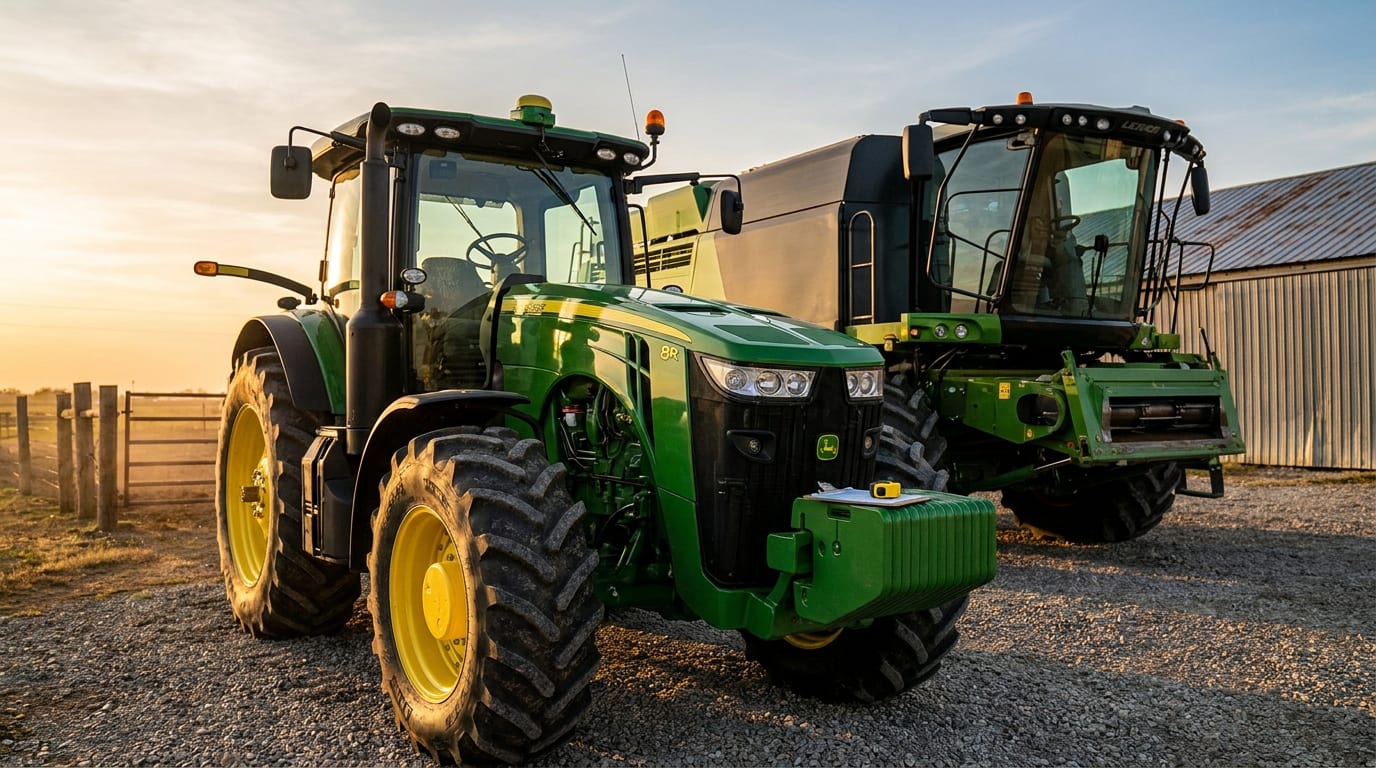
Qualified Appraisal vs Auction Price: Why Farm Equipment Value Needs More Than a Sale Result
An auction record shows what one tractor sold for on one day; it doesn't establish fair market value for an IRS filing or a courtroom. This guide explains when an auction or dealer comparable is good enough and when farm equipment needs a formal qualified appraisal instead.
Read more →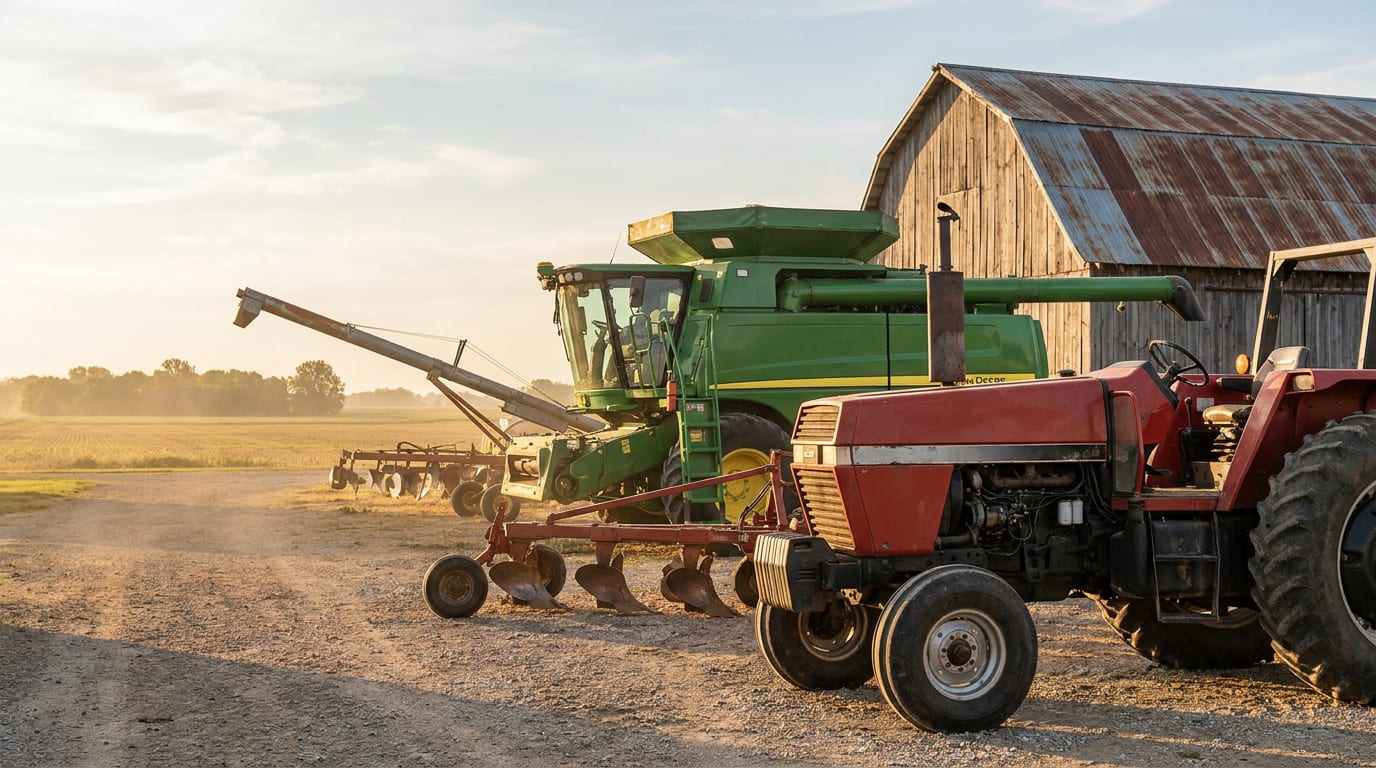
Stepped-Up Basis for Inherited Farm Equipment: How Appraised Value Affects Heirs' Taxes
When a farmer inherits equipment, the date-of-death appraised value, not the original purchase price, becomes the heir's tax basis under stepped up basis farm equipment rules. This guide walks through how that number resets depreciation and shapes the capital gains bill on a future sale.
Read more →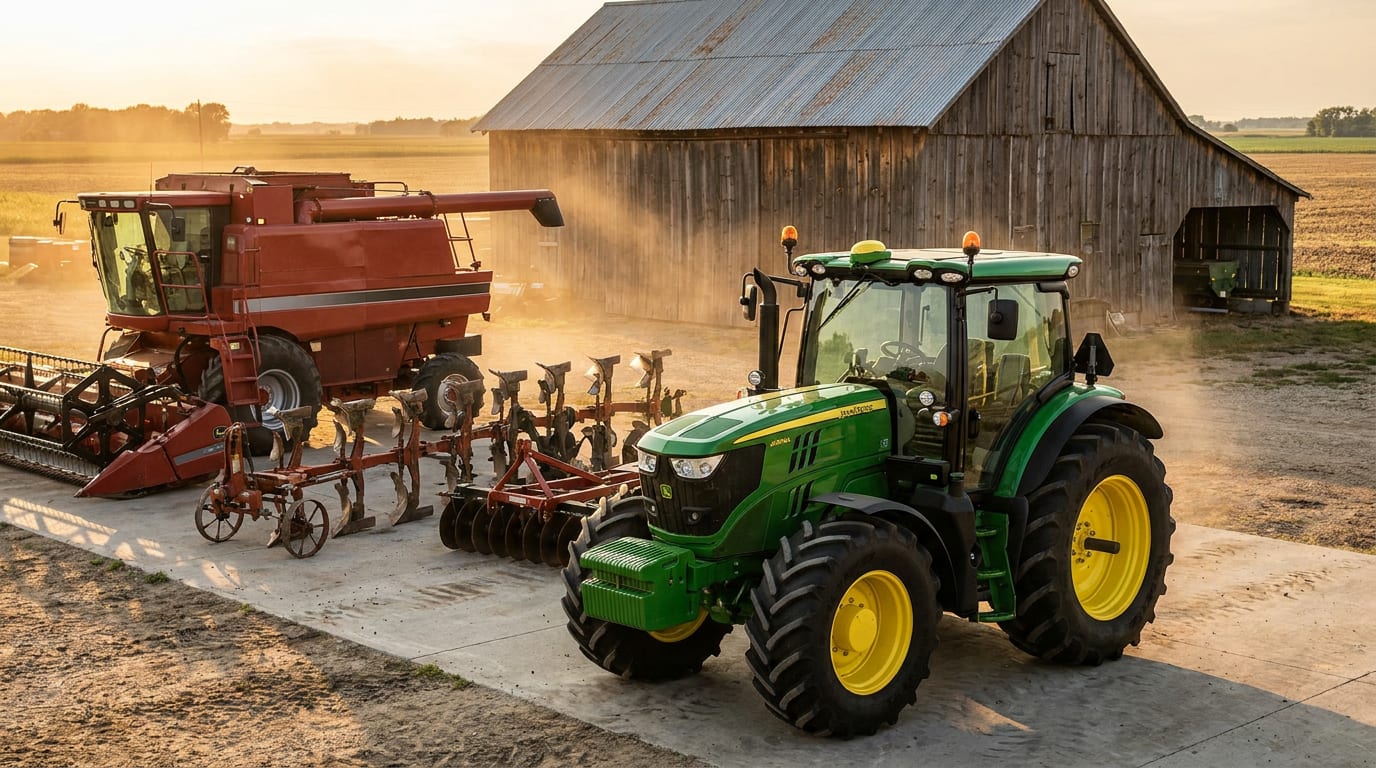
How to Complete IRS Form 8283 for a Farm Equipment Donation Over $5,000
IRS Form 8283 requires three signatures, a qualified appraisal, and precise line-by-line documentation once a farm equipment donation's claimed deduction exceeds $5,000. This guide walks through Section B part by part, from describing the tractor or combine to the appraiser's declaration and the donee's acknowledgment of receipt.
Read more →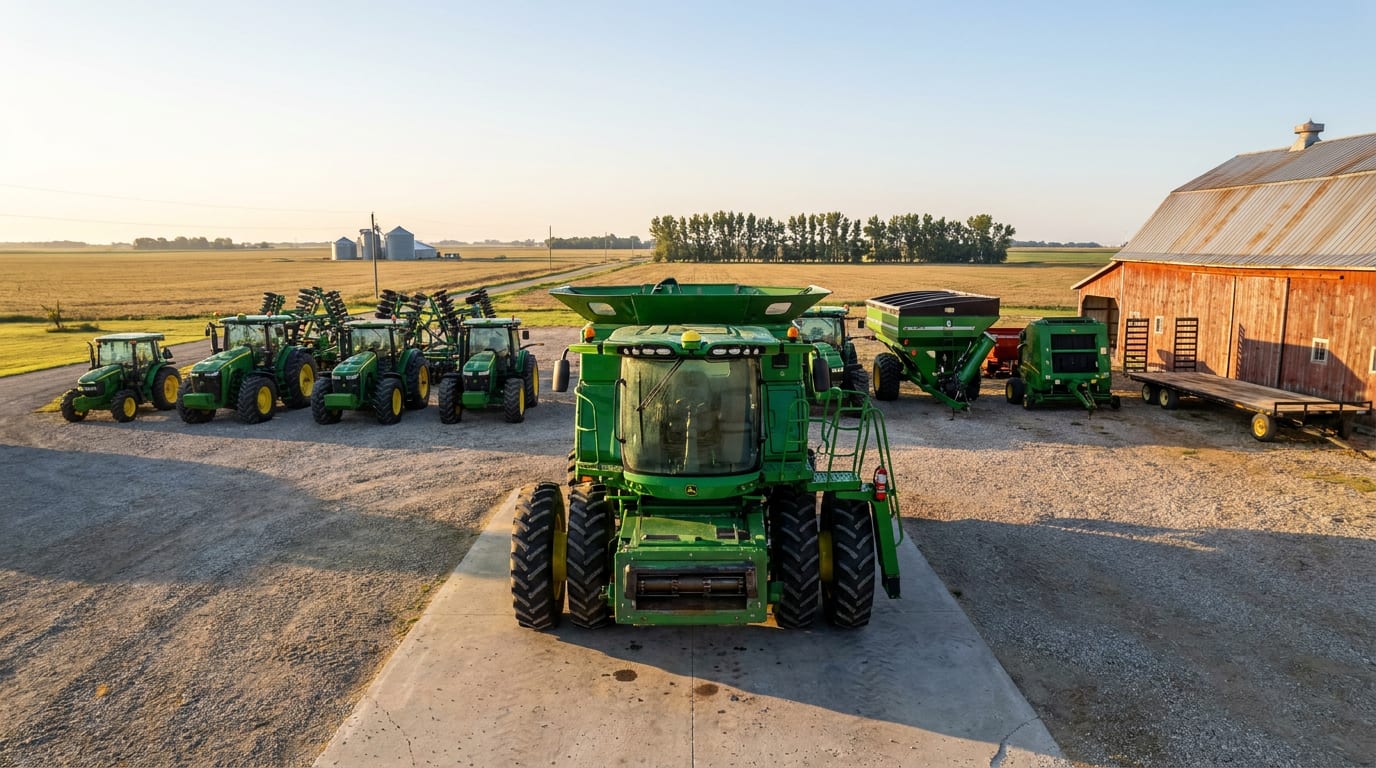
Farm Equipment Fleet Appraisal: Valuing Every Machine for Estate, Insurance, or Sale
A farm equipment fleet appraisal values every tractor, implement, and trailer on an operation individually before rolling those figures into one defensible total. This guide walks through the item-by-item process and shows how the numbers work for estate settlement, insurance, and sale or loan use.
Read more →
Farm Equipment Appraisal for Divorce: How Tractors, Combines, and Sprayers Get Valued as Marital Assets
A farm equipment appraisal for divorce establishes what tractors, combines, and sprayers are actually worth on the open market so courts can divide them as marital assets. This guide covers how fair market value is determined, why independence and USPAP compliance matter, and what to expect during the process.
Read more →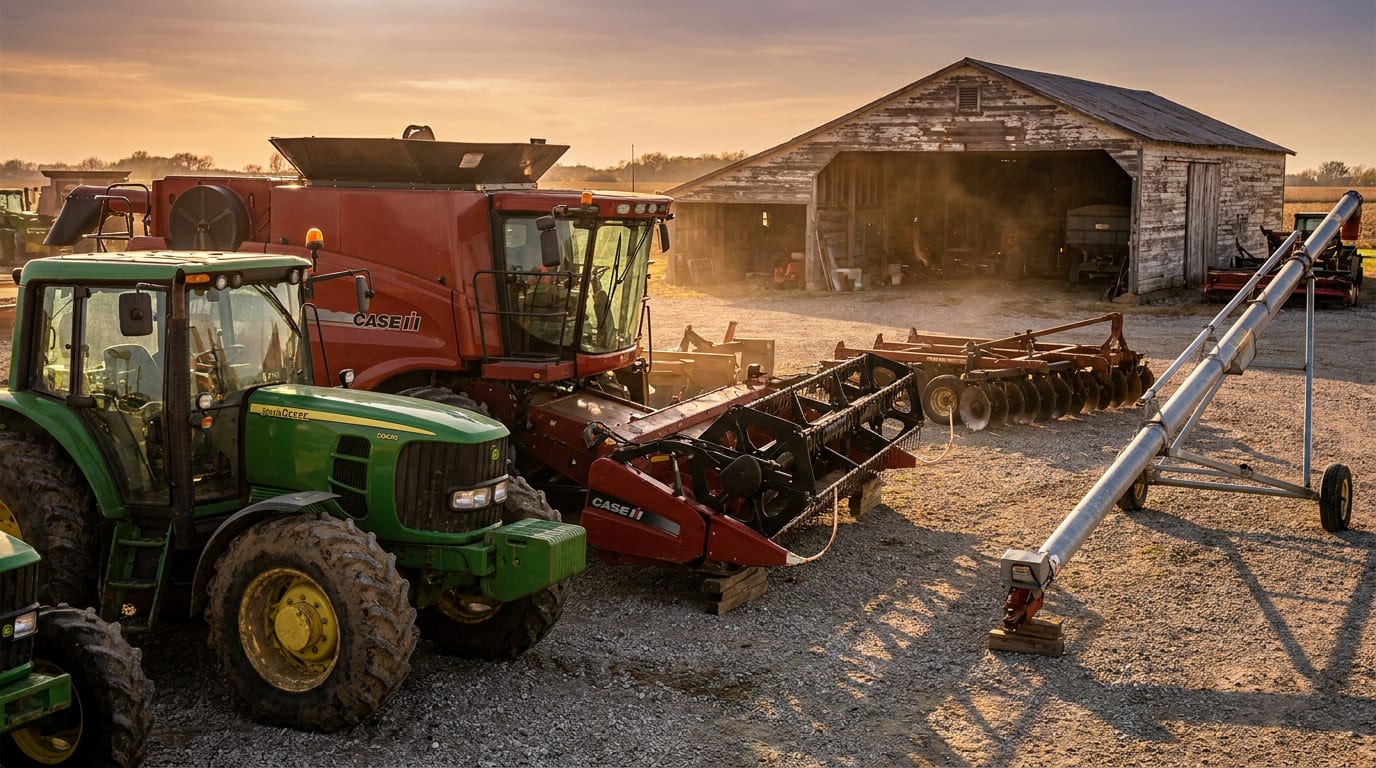
Retail vs. Orderly Liquidation vs. Forced Sale Value: Which One Applies to Your Farm Equipment
Orderly liquidation value for farm equipment sits between fair market value and forced sale value, and which premise your tractor or combine gets appraised under depends entirely on why the appraisal is needed. This guide breaks down all four value premises so you know which number actually applies to your situation.
Read more →
Farm Equipment Donation Appraisal IRS Rules: What Farmers Need to Know
Donating a tractor, combine, or implement to a school or 501(c)(3) triggers a qualified appraisal once the claimed deduction passes $5,000. This guide walks through the IRS thresholds, Form 8283 requirements, and why your deduction may be capped at adjusted basis instead of fair market value.
Read more →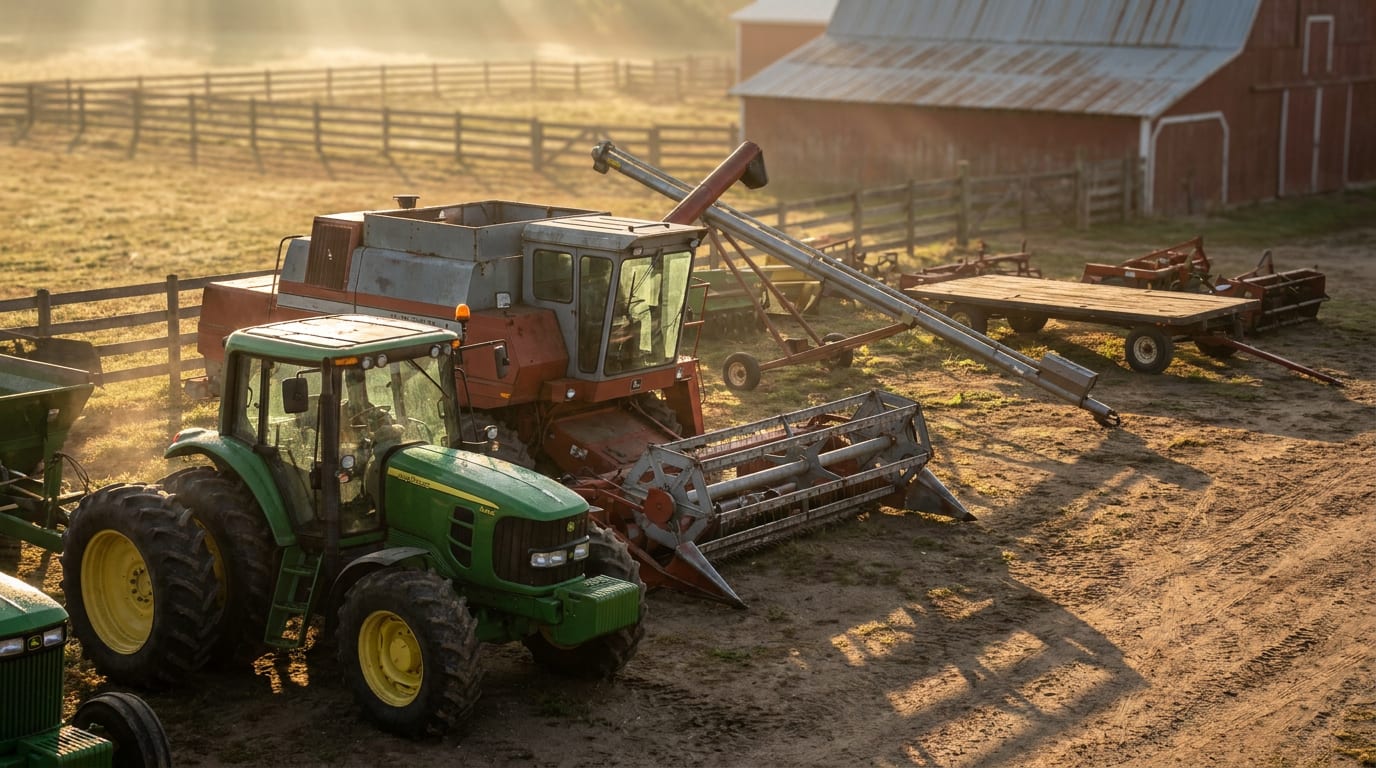
Farm Equipment Appraisal for Probate: How It Works in Estate Settlement
A farm equipment appraisal for probate establishes the date-of-death fair market value that courts, executors, and heirs all rely on. This guide walks through why the appraisal is required, what the report must contain, and where it fits in the probate timeline.
Read more →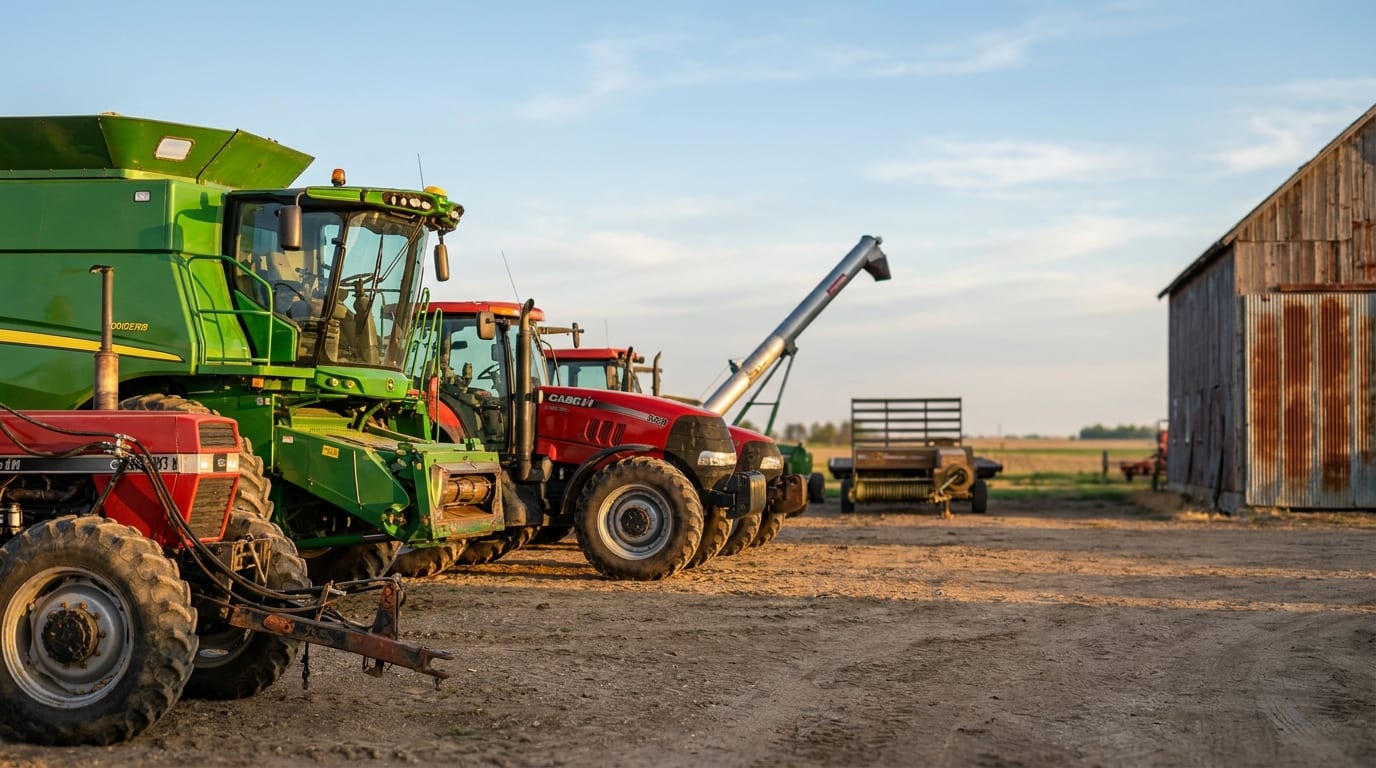
Farm Equipment Appraisal for Bankruptcy: What Trustees and Owners Need to Know
A farm equipment appraisal for bankruptcy has to answer a legal question, not just a market question, since Chapter 7 liquidation, Chapter 12 reorganization, and cramdown all call for different value standards on the same tractor. This guide breaks down which standard applies, what trustees expect on Schedule A/B, and how to get a report that holds up in court.
Read more →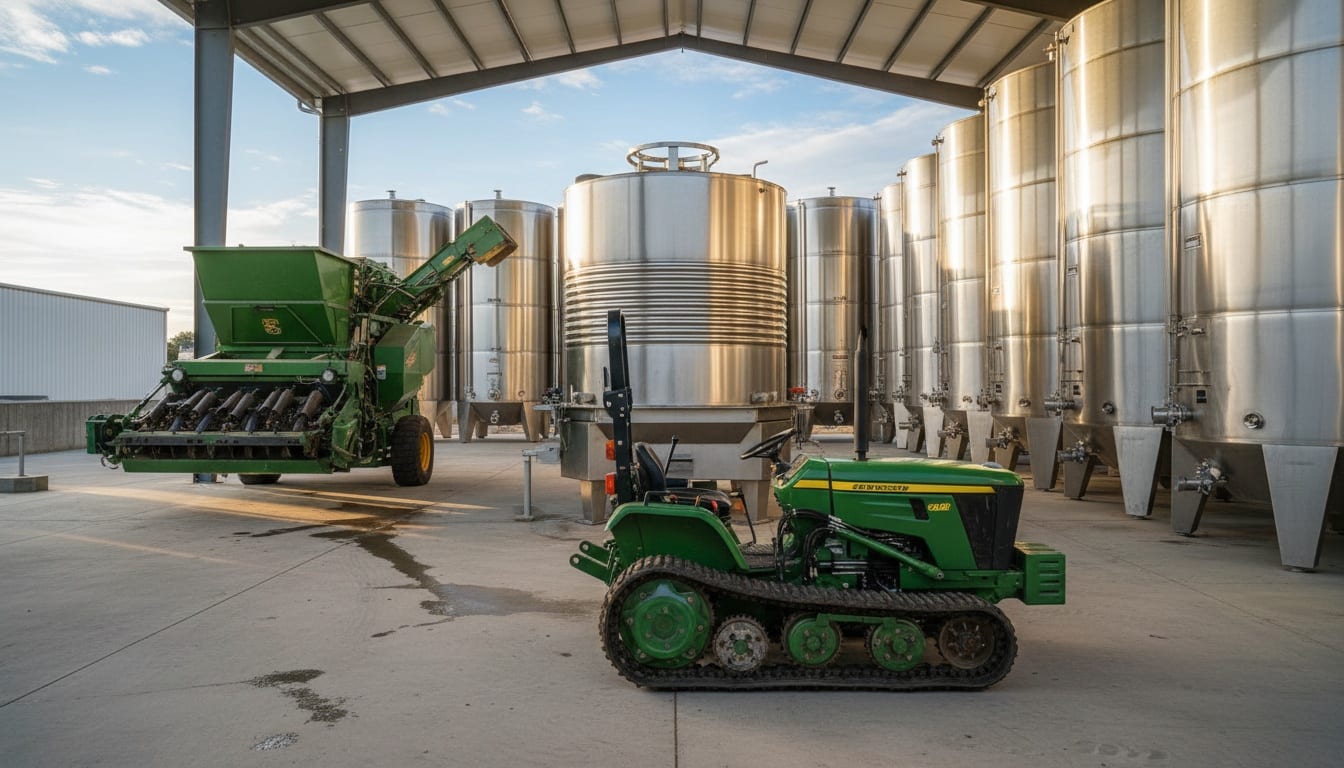
Vineyard Equipment Appraisal: Frequently Asked Questions
Vineyard equipment appraisal covers everything from narrow-row tractors and mechanical harvesters to bladder presses and fermentation tanks. This FAQ answers the questions we hear most often, from what the process costs to when USPAP compliance is required.
Read more →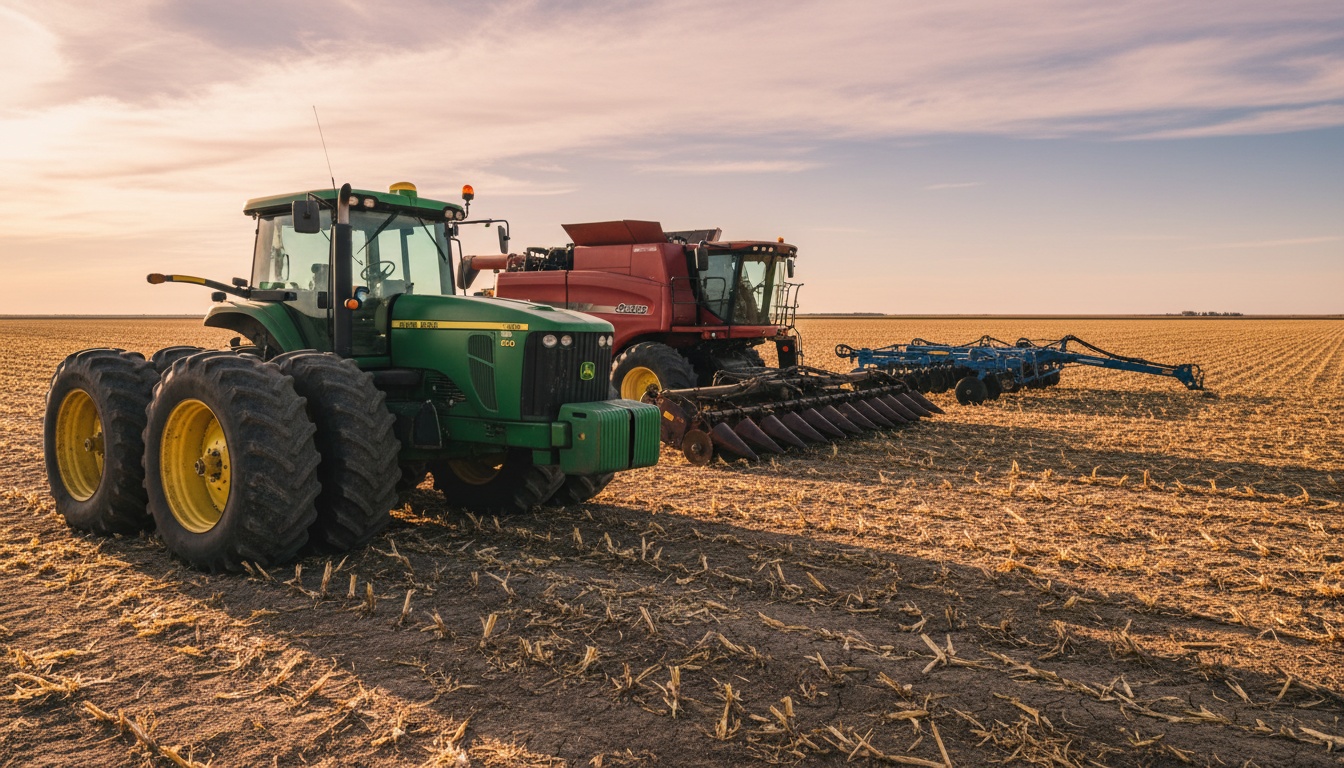
Types of Farm Equipment: A Complete Guide to Tractors, Tillage, Planters, Harvesters, and More
From subcompact tractors to center-pivot irrigation systems, this guide covers every major category of farm equipment, what each machine does, and why accurate identification matters when it comes time to appraise what you own.
Read more →